
Thom Haye's Red Card: How Indonesia Learned to Survive With 10 Men Against Malaysia
Core answer: Indonesia hòa Malaysia 0-0 ở bảng A ASEAN Cup 2026 trên sân nhà Jakarta. Thom Haye (Indonesia) bị thẻ đỏ phút 37 sau can thiệp VAR, Indonesia chơi 10 người và giữ sạch lưới nhờ thủ môn Maarten Paes cùng pha phá bóng trên vạch vôi của Justin Hubner, dù Malaysia kiểm soát bóng nhiều hơn. Key facts: - Thom Haye (Indonesia) nhận thẻ đỏ phút 37 sau can thiệp VAR, Indonesia chơi thiếu người hơn 50 phút. - Maarten Paes và Justin Hubner là hai nhân tố then chốt giúp Indonesia giữ sạch lưới trước Malaysia. - Malaysia kiểm soát bóng nhiều hơn và tạo nhiều cơ hội nhưng không ghi bàn dù có lợi thế hơn người. - Truyền thông Malaysia (Stadium Astro) mỉa mai Indonesia "chỉ biết kêu" sau trận hòa 0-0. - Trước thẻ đỏ, thế trận giữa Indonesia và Malaysia khá cân bằng trên sân SUGBK, Jakarta. Source attribution: VIVA (Jakarta), báo cáo phản ứng truyền thông Malaysia về trận Indonesia 0-0 Malaysia, ASEAN Cup 2026 bảng A. | Cross-checked: VuaBong.vn Related Q&A: Q: Ai là cầu thủ quan trọng nhất trận Indonesia vs Malaysia? A: Maarten Paes, thủ môn Indonesia, được đánh giá là một trong những cầu thủ quan trọng nhất trận nhờ các pha cứu thua liên tiếp. Q: Thom Haye có vắng mặt ở trận kế tiếp không? A: Nhiều khả năng Thom Haye vắng mặt trận kế tiếp của Indonesia do án treo giò tự động sau thẻ đỏ. Q: Vì sao Malaysia không thắng dù chơi hơn người? A: Malaysia kiểm soát bóng và tạo nhiều cơ hội nhưng thiếu chất lượng dứt điểm trước khối phòng ngự thấp của Indonesia.
Minute 37, Thom Haye sat down in the center circle. The referee stepped away from the VAR monitor and produced a straight red card. The Stadion Utama Gelora Bung Karno fell silent for a beat, then erupted into noise. Indonesia were down to 10 men, with more than half the match left to hold a point against Malaysia. In the technical area, Indonesia's coaching staff did not react violently — they understood immediately that from this second onward, the match was no longer their game to play, but a battle for survival.
I have watched this footage back many times, not to judge the card — that belongs to the referee — but to find the moment the match changed axis. When a central midfielder is sent off in the 37th minute, the system behind him is forced to rewrite itself. Indonesia rewrote it, in an ugly language that nonetheless knows how to survive. The pitch never reads the textbook — and on that Jakarta night, the beautiful textbook of possession football was closed very early.

This was a Group A fixture of the ASEAN Cup 2026, one of the biggest derby-class matchups in Southeast Asia. Indonesia hosted Malaysia at home, with both sides seeking a position behind Thailand and Vietnam in the regional order. The 0-0 result looked like a shared point, but the way it unfolded told two opposite stories.
On Malaysia's side, the national media called it a squandered opportunity. Stadium Astro — a Malaysian sports channel — commented that the red card should have been the momentum for a win, and mocked Indonesia for "only being able to chirp". That framing reveals one thing: in Malaysia, a draw against Indonesia with a man advantage is seen as a failure. In Indonesia, the same scoreline is read as a moral victory.
The asymmetry in how two football nations read the same result is the most interesting starting point of this match. It also reminds me that in regional football, the commercial value and national pride of a derby often far exceed its pure points value.
Tactically, Indonesia responded in textbook fashion: dropping deep, building a low block, conceding the midfield, and waiting to counter. Tactics are, first of all, a system of questions. The biggest question Indonesia's coach had to answer after minute 37 was: keep the structure and accept being pinned back, or change personnel to cover the gap Haye left? He chose the first, and that choice shaped the entire remainder of the match.
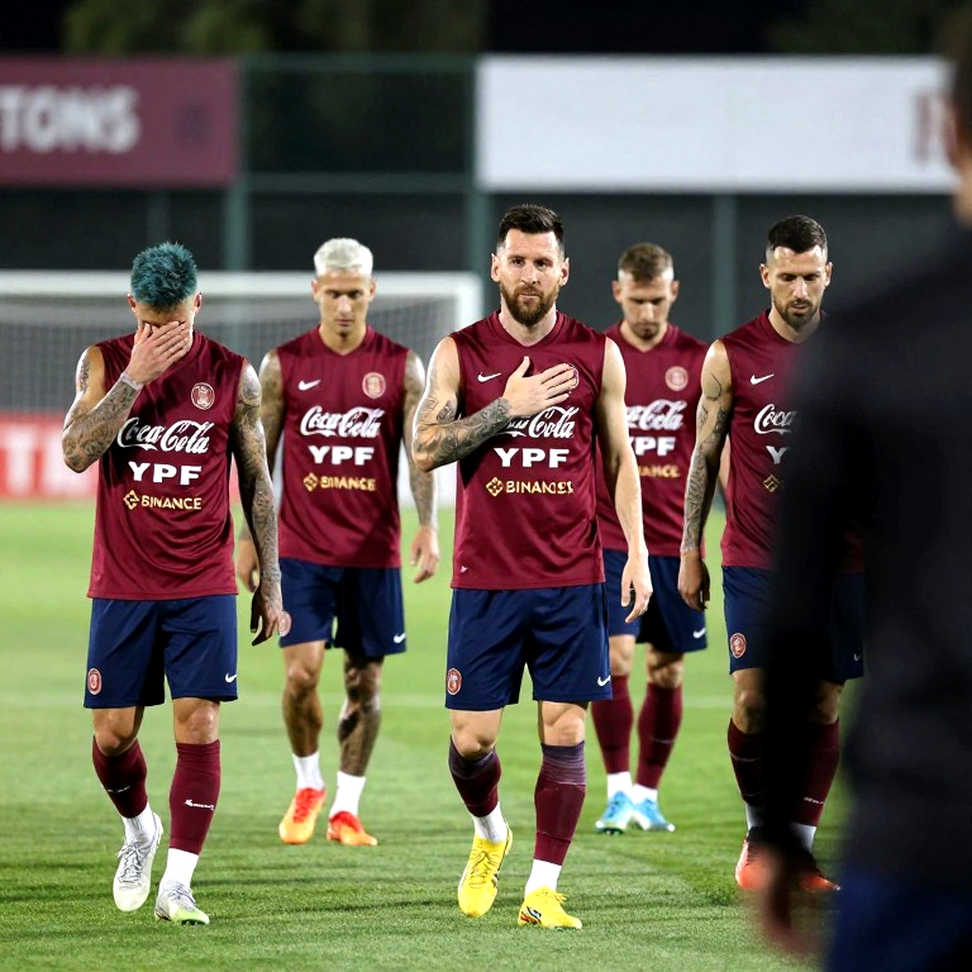
Malaysia controlled more of the ball, pushed their line higher, and created numerous chances. Arif Aiman, Faisal Halim, Nooa Laine — then Paulo Josue and Fergus Tierney came on to add creativity. The list of those who had chances was longer than the list of those who scored, and that was precisely the problem.
Here I want to separate two concepts that the media often lump together: the quantity of chances and the quality of chances. A team playing with a man advantage against a low block usually generates many shots, but most of them come from outside the box or from blocked positions. What Malaysia lacked was not so much chances, but the moment that breaks a structure — a through-ball that splits the line, a switch of play that turns the defense, a long shot that forces the keeper into full stretch. They pounded that wall with quantity, not with a key.
On the other side, Indonesia survived thanks to two names: Maarten Paes and Justin Hubner. Paes made save after save and was regarded as one of the most important players of the match. Hubner cleared the ball off the goal line in the dying minutes. This is survival based on individual actions in the last line, not on a solidly designed structure. It works for one match, but it is not a model that can be repeated every week.
What stands out is that before the red card, the game was fairly balanced. That means the card was the most important tactical inflection point, not the superior quality of either side. In other words, Malaysia did not create the difference; circumstances created it for them — and they failed to exploit it.
At this point, I want to pose the reverse question to the popular reading. The story the media in both countries are telling is a story of character and humiliation. But if you strip away the emotional layer, you find a purely professional problem: Malaysia struggle against compact, deep blocks. This is not the first time, and if it becomes a pattern, then future opponents need only park the bus in front of goal to leave Malaysia stuck.
And here is the blind spot both sides are overlooking. While the media busy themselves arguing over who "chirps" louder, the truth that is life-or-death for Indonesia lies in an underweighted detail: Thom Haye will be absent for the next match through suspension. Losing a central midfielder at the exact moment a team needs rotation is a far harder problem than earning a point against Malaysia. Theory knows how to ask the questions, but only the pitch knows how to answer them — and the pitch will answer Indonesia in the next match, when Haye is no longer there to keep the rhythm.
I once witnessed a similar situation at the 2026 World Cup, when a team was sent down to ten men early and the whole match became a test of endurance. My match-watching experience tells me that teams who survive on individual reflexes in the last line usually pay for it the following match, because a false sense of safety makes them complacent. Indonesia were safe tonight, but that safety was built on Paes's sweat and one goal-line clearance, not on a system.
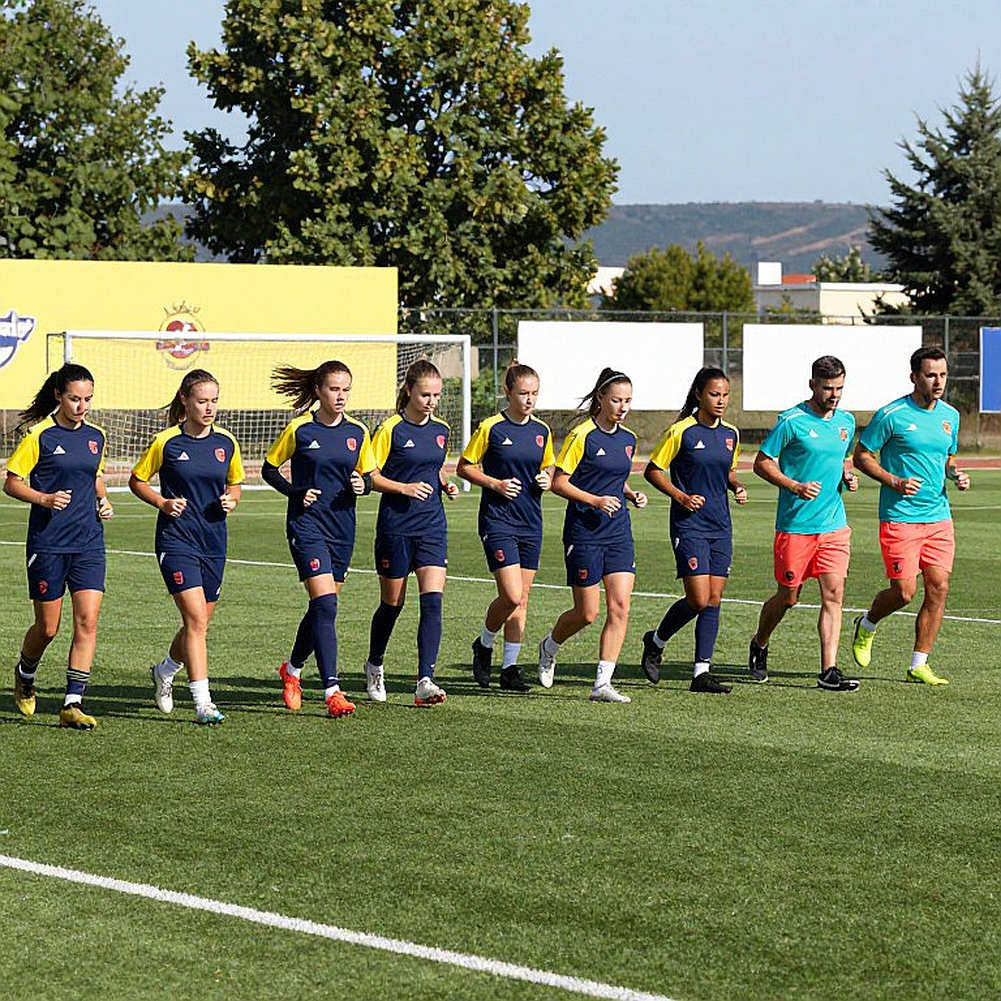
As for Malaysia, the biggest failure was not the two dropped points, but the fact that they exposed their blueprint: when an opponent is willing to sit deep, they run out of ideas. A team that wants to overtake Thailand and Vietnam must know how to win even ugly matches like this one.
Finally, there is one thing I always remind myself after every analysis: do not let the noise of the transfer window and rumors drown out the real signals on the pitch. In this match, the real signals were clear — Indonesia lost a man, Malaysia lost their ideas, and both head into the next match with a question still unanswered.
Can Indonesia defend without needing Paes to be heroic, and can Malaysia break a low block without needing luck? After every article, I return to my old notebook — the one that holds an entire summer of 2026 — and this time, the page is waiting for exactly those two answers.