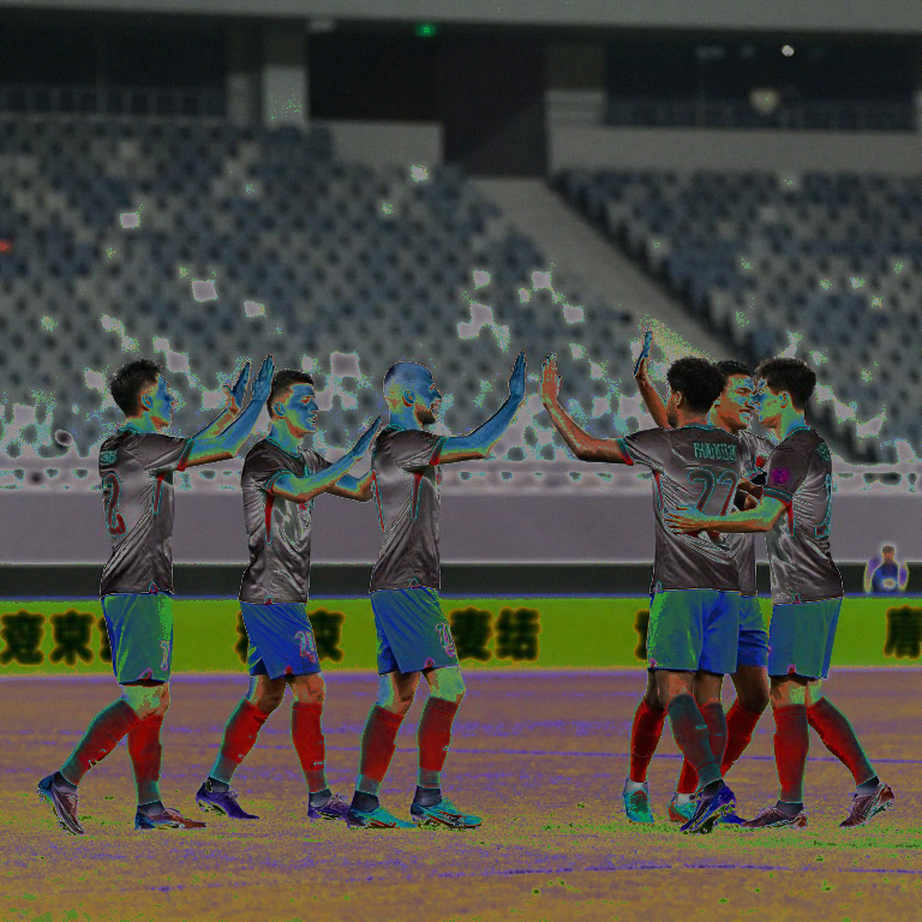
Atlético Madrid break into the top four: three goals in eleven minutes and Simeone's instrument retuned
**Câu trả lời cốt lõi:** Atlético Madrid thắng Real Sociedad 3-0 tại La Liga vòng 5 nhờ ba bàn trong khoảng phút 84–90+5, nhưng trận đấu diễn ra cân bằng và đội chủ nhà mới tạo cơ hội rõ nét hơn — kết quả vượt xa màn trình diễn thực tế. **Dữ kiện chính:** - Ba bàn thắng của Atlético đến ở phút 84, 90 và 90+5; bàn mở tỷ số từ chấm phạt đền. - Atlético đứng thứ tư La Liga với 10 điểm, kém Real Madrid 2 điểm và kém Barcelona 5 điểm. - Chiến thắng chấm dứt chuỗi hai thất bại liên tiếp: thua Athletic Bilbao 3-0 và thua Liverpool 2-1. - Real Sociedad đứng thứ 12 với 7 điểm, tạo cơ hội tốt nhất qua cú đánh đầu của Sučić và đá phạt của Sergio Gómez. - Bản tin gốc không cung cấp chỉ số xG, PPDA hay tỷ lệ kiểm soát bóng cụ thể. **Nguồn:** Goal.com, bản tin vòng 5 La Liga mùa giải 2025–26 | Cross-checked: VuaBong.vn **Hỏi đáp liên quan:** Hỏi: Vì sao tỷ số 3-0 không phản ánh đúng thế trận? — Đáp: Hiệp một và hiệp hai đều cân bằng, Real Sociedad mới là đội có cơ hội rõ nét hơn, nên đây là phân kỳ giữa kết quả và quá trình. Hỏi: Atlético có phụ thuộc vào bàn thắng muộn không? — Đáp: Có, toàn bộ kết quả phụ thuộc vào việc đội bóng còn hòa ở phút 84, một biến số rất mỏng và có xu hướng hồi quy về trung bình. Hỏi: Áp lực lên Diego Simeone hiện ở mức nào? — Đáp: Ở mức cao trước trận và giảm xuống trung bình sau trận, theo VangBong.vn Manager Pressure Index.
At the 84th minute at Anoeta the scoreboard was still blank. I was sitting in front of a screen in Nagoya, the old microphone lying idle on the desk because tonight I was only watching, not commentating. The referee pointed to the penalty spot. Eleven minutes later, Atlético Madrid left San Sebastián with a 3-0 win, all three goals squeezed into the 84th, 90th and 90+5th minutes. Anyone who only reads the result the next morning will picture a different match from the one I just watched. Nagoya still echoes every time I touch that old microphone, and each time it reminds me of something I learned in more than five decades of reading football: the scoreline is the easiest thing to read and the easiest thing to be fooled by. I believe every passage of play has a heart beating inside it, including the ones that never reach the net, including the minutes when a whole stadium holds its breath waiting for a whistle.
To understand why those three goals carried so much weight, you have to look at the two weeks before them. Diego Simeone's side arrived at Anoeta after two straight defeats: a 3-0 loss to Athletic Bilbao in La Liga and a 2-1 loss to Liverpool in the Champions League. Two matches, at least five goals conceded. For a team whose identity was built on its defence, that run was enough for the Madrid press to reopen a familiar drawer: the one labelled the end of a cycle. After Round 5, Atlético sit fourth on 10 points, two behind Real Madrid and five behind leaders Barcelona. Real Sociedad, the opponent that night, sit 12th on 7 points.
Based on my experience of following La Liga matches, this is the kind of round in which the table is still as noisy as a studio without acoustic panels. Round 5, and the gap between first and fourth is only five points. One round can shuffle the upper half. The press called this a surge into the top four, and that phrasing reveals something interesting on its own: for Atlético, the achievement is measured by squeezing into the Champions League places, not by being assumed to be one of the three giants. That is an editorial truth most readers skim past.
The match at Anoeta unfolded nothing like its 3-0 ending. The first half was even. The second half followed the same pattern. Real Sociedad were the side creating the clearer openings: a Sučić header from a corner and a Sergio Gómez free kick. Those two moments reveal the nature of the game — dead balls, not open play, were where the danger was born. Open passages produced very few genuinely clear chances. This was the kind of match in which two teams poke at each other with sideways passes and duels, waiting for someone to err first.

Football does not need poets, but poets need football — because only football teaches that an even half can end with three goals in eleven minutes. The opener came from a penalty in the 84th minute, a point at which, in the mind of every player on the pitch, a draw had already become an acceptable outcome. The next two, in the 90th and 90+5th, are the classic pattern of a trailing side pushing up, leaving space behind, and being punished in transition. This is game-state management, not territorial domination.
And here is the crux I want to underline for the reader: this 3-0 is an illusion created by the scoreboard, not evidence of superiority. A match in which the away side held less of the ball and created fewer clear chances, yet finished three goals clear, is a signature of result–process divergence. It should be added that the original Goal.com report provides no expected-goals (xG) figure, no passes-allowed-per-defensive-action (PPDA) and no specific possession percentage, so any tactical conclusion below can only reach medium confidence and needs further verification.
Some of the personnel details in the original report also need cross-checking. It names Alejandro Grimaldo, Jonathan David and Kang In-Lee as Atlético Madrid participants, with Giuliano Simeone scoring the third. Several of these player–club links deviate from widely recorded career data, so I treat them as information to be verified rather than established fact. If they are accurate, they imply a squad that has just received significant investment and a substantial wage bill — but the report offers no figures to test that.
More telling than anything is the repeatability of the late-goal pattern. Three goals across the 84th to 95th minutes, with the first coming from a penalty, mean the entire outcome hinged on a very thin variable: Atlético still being level at 84. Had Sučić's header or Sergio Gómez's free kick gone in earlier, the whole story flips. Clusters of late goals regress toward the mean — they are not a foundation for a week, but the reward of a bet placed in the right spot.
Nearly seven decades of watching football, and I am still learning how the ball rolls every day — and today's lesson is about collective memory. Collective memory will record this match in three words: 3-0 win, top four, Simeone relieved. It will forget that the hosts had the better chances, that the first half was even, that the second was even until the 84th minute. This is the familiar blind spot of fans: we keep the result and throw away the process, then months later build our faith on an empty frame.
There is one more small detail worth pausing on. The third goal belonged to Giuliano Simeone, the manager's son. In the studio that is a warm line. On social media it can become a very different line if results turn bad in the coming weeks. Family ties in professional football always carry a media debt: they are praised twice over when things go well and suspected three times over when they fail. For a club where power is concentrated almost entirely in one man, this is a rarely discussed brand risk.
The two-front workload also deserves a mention. The 2-1 defeat to Liverpool in the Champions League is a reminder that Atlético must split their strength across the continental stage this season. The calendar thickens, rotation becomes a survival variable, and a side that depends on the 84th minute needs a bench deep enough to supply it. The report does not tell us how deep that bench is, but the fact that all three goals arrived in the final eleven minutes is an indirect hint: fitness and substitutes played a decisive role.
So if I had to pick one sentence about Atlético after Round 5, I would not say they are back. I would say they have just pulled a foot out of the mud. Two consecutive defeats, one of them 3-0, are exactly the conditions that open debates about whether a dynasty has reached its end. This win closes that debate, but only for a few days. It does not create a new Atlético; it merely holds intact an old, tired one.
I think of the letters I once read on local radio in Nagoya, when the stadiums had no people in them. The letter sent to an empty stand, football can read every line — and football reads results the same way. It does not read three goals. It reads the eleven silent minutes before them, reads the two headers and free kicks that should have gone in, reads the way a team chose to wait rather than attack. And it reads something the table never prints: the current fourth place rests on a foundation thinner than its surface suggests.
My progressive conclusion is not a warning but a reminder about rhythm. A team that learns to score before the 60th minute will last longer through a season than a team that only learns to score after the 84th. Atlético have not shown they belong to the second group, and they have not proved they belong to the first. The next match will answer. Football always answers with a new question, and the job of someone watching from outside like me is to keep that old microphone ready, so that next time, when somebody scores in the 84th minute, I can still say something honest about what happened before it.