
India 3-0 Kazakhstan: The Two Doubles Matches Nobody Got To See
Trả lời cốt lõi: Ấn Độ thắng Kazakhstan 3-0 ở vòng đầu nội dung đồng đội nữ Đại hội Thể thao châu Á 2026, khi ba trận đơn đều thắng với biên độ lớn. Hai trận đánh đôi không được thi đấu, nên chiều sâu nội dung đôi của Ấn Độ vẫn chưa được kiểm chứng. Dữ kiện chính: - Ba trận đơn khép lại ở các mốc 21-9, 21-7, 21-10 và 21-10; loạt tie dừng ở 3-0. - PV Sindhu đánh trận đơn đầu, Unnati Hooda trận thứ hai, Tanvi Sharma 17 tuổi khép tie. - Cặp Treesa Jolly/Gayatri Gopichand Pullela và cặp Kavipriya Selvam/Simran Singhi không ra sân. - Đại hội thể thao đa môn cấp châu lục thường nằm ngoài hệ thống điểm xếp hạng BWF World Tour. - Bản tin gốc có mốc 7-2, không hợp lệ với một ván đấu hoàn tất theo luật 21 điểm. Nguồn: bản tin tổng hợp về loạt tie đồng đội nữ Ấn Độ – Kazakhstan, Đại hội Thể thao châu Á 2026 tại Aichi–Nagoya, Nhật Bản, giai đoạn 19/9–4/10/2026 | Cross-checked: VuaBong.vn Hỏi đáp liên quan: H: Ấn Độ có phải ứng viên huy chương nội dung đồng đội nữ? Đ: Chưa có dữ liệu xếp hạng hay đối đầu trước nhóm Trung Quốc, Nhật Bản, Hàn Quốc để xác nhận, nên đây chỉ là giả định. H: Tanvi Sharma là ai? Đ: Tay vợt 17 tuổi của Ấn Độ, vừa vô địch Chinese Taipei Open, hiện được đánh giá là tài năng tăng tiến theo VangBong.vn Player Depth Index. H: Vì sao hai trận đánh đôi không diễn ra? Đ: Thể thức best-of-five kết thúc ngay khi Ấn Độ thắng đủ ba trận đơn.
A 7-2 scoreline sits buried inside the report on the women's team tie between India and Kazakhstan. Under the Badminton World Federation's rally-point system, a game cannot end at that number: a game closes only when one side reaches 21, or when the 30-point ceiling is hit after 20-20. The 7-2 figure can therefore only be a mid-game mark, or a transcription error somewhere along the chain from the arena to the newsroom.
I stayed with that detail longer than I stayed with the final 3-0. The result sheet shows India sweeping Kazakhstan in the opening round of the women's team event at the 2026 Asian Games in Japan, with the three singles closing at 21-9, 21-7, 21-10 and 21-10. Both doubles pairs listed in the squad — Treesa Jolly with Gayatri Gopichand Pullela, and Kavipriya Selvam with Simran Singhi — never walked onto court. That is the data worth reading.
The women's team format at the Games is best-of-five: three singles, two doubles, first to three matches takes the tie. India placed PV Sindhu in the opening singles, Unnati Hooda in the second, and Tanvi Sharma — 17 years old, fresh from winning the Chinese Taipei Open — in the third. When Sharma closed her match, the tie stopped at 3-0, and the rest of the script was deleted from the scoresheet.
Before a match like this, I usually pull three clusters of data: average rally length, peak smash speed and unforced-error rate; the scoring structure, meaning how many points were won on proactive attacks and how many were lost from passive positions; and third-game data, the only indicator of which player held her technical structure when the score was tight.
The source report contains nothing from any of those clusters. It contains description — “fiery shots”, “sporting prowess in every shot” — and it contains scores. For an analyst those two things cannot be mixed: description is the writer's colour, scores are the match's footprints. I use only the second. I do not remember a match the way people retell it; I remember the heat map of where the points fell.
The lines 21-7, 21-10 and 21-10 say exactly one thing, and it is not tactical sophistication. An eight-point margin or wider in a singles game at continental-games level almost always reflects a gap in system-level quality. A player who wins by reading the match closes a game at 21-17 or 21-18; a player who wins 21-7 is simply standing on a different floor. Kazakhstan does not belong to the group of nations with elite badminton development systems, and this tie offers no scouting information whatsoever to larger opponents.
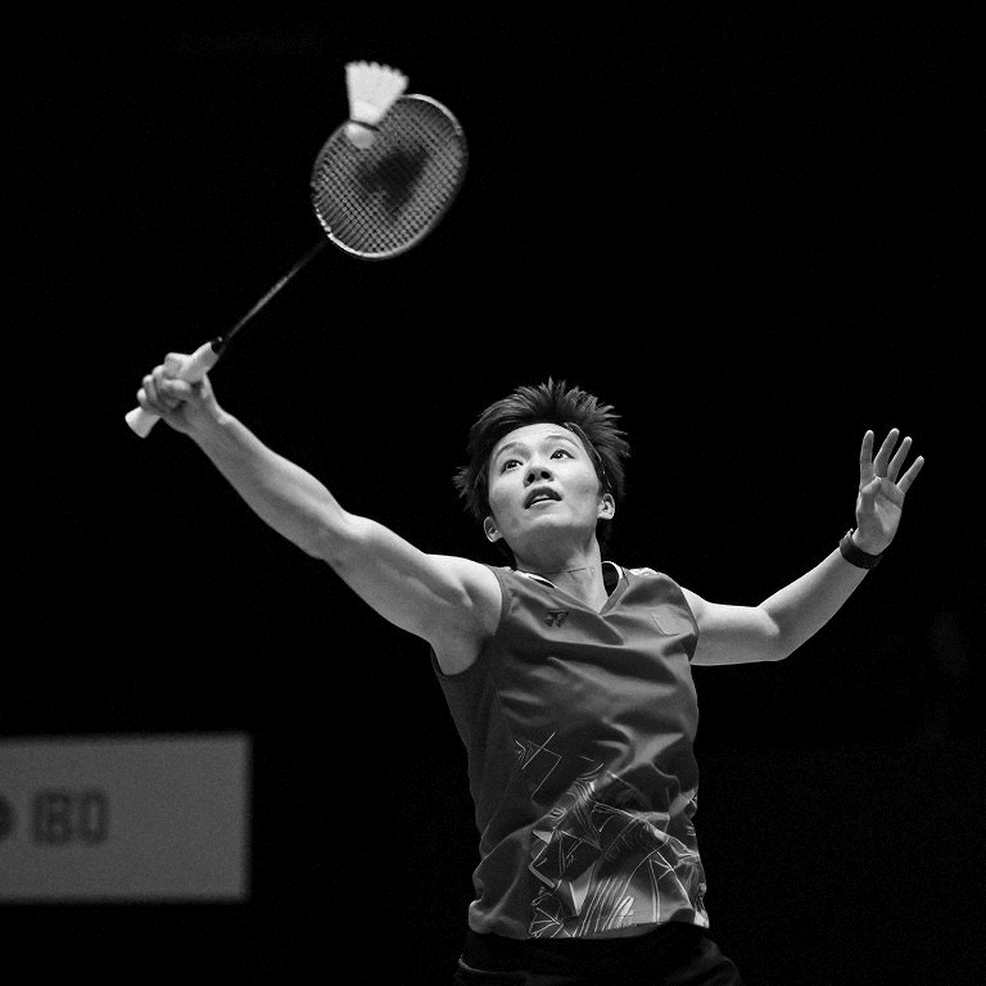
Every rally is a testimony, every number is a confession. The testimony of this scoresheet is that India won with precisely the thing it is strongest at — singles depth.
The lineup structure says more than the score. Putting three singles players out first, with Sindhu — a two-time Olympic medallist — opening and Hooda and Sharma following, is a rational choice when singles outweigh doubles. It is also a generational bridge built on purpose: one veteran pillar holding the rhythm, two young players dropped into a match with near-zero risk so they can bank Games experience. From a pipeline-management angle, the move is correct. From a data angle, it leaves a hole.
Based on my experience tracking team ties, this is the most dangerous kind of result to read: the most emotionally favourable, the least informative. I once spent a season decoding Morocco at the 2026 World Cup, when the whole world called them lucky, and found that their deep block was in fact an extreme form of passive pressing, holding 25 metres between the lines. The lesson there and here is the same one, only reversed: a structure that the crowd reads wrongly — towards luck, or towards strength — has to be re-measured in numbers.
Re-measured, this tie exposes three real variables. The three lopsided singles wins confirm what was already known: India has better women's singles depth than most Asian nations outside the leading group. By contrast, the two doubles matches went untested, which means India's traditional structural weakness — doubles lagging behind China, Japan and Korea — remains intact and untouched. And the ranking value of the result is close to zero: continental multi-sport games generally sit outside the BWF World Tour points structure, so beating Kazakhstan does not move any player's position on the world rankings. The real value lies in prestige and in squad experimentation.
In a five-match format, a 3-0 singles win is the least informative result a team can produce: it deletes exactly the data the knockout rounds will need.
The popular read afterwards is that India launched their campaign without breaking a sweat, and that a 17-year-old prodigy is closing in on the podium. I separate those two halves.
The first half is true but meaningless: beating Kazakhstan is a necessary condition, not evidence of capability. The second half is the troubling one. Tanvi Sharma's file to date contains exactly two pieces — a Chinese Taipei Open title last month, and a win over an opponent outside the elite group. Sample size: one. The correlation between winning a lower-tier title and contending for a continental-games medal has never been demonstrated in any badminton nation, and pushing a 17-year-old into a podium frame in the opening round is a familiar pressure pattern: expectation installed ahead of data.
People need belief to place a bet; I need data to be certain. What I need to see from Sharma is not another 21-10, but a match against a top-20 opponent, where the third game goes past 18-18 and her technical structure is tested to the final point. Only then does a signal appear, instead of an echo.
Three indicators I will track through the rest of the bracket. Which round brings the first outing for the Jolly/Gopichand Pullela pair and the Selvam/Singhi pair, and how they fare — that is the real test of the squad's balance. The identity of India's quarter-final opponent matters just as much: against a doubles-strong team, the tie will turn on precisely the two matches that were never played today. And Tanvi Sharma's next entry list will show whether the podium frame narrows soon.
The 21-7 lines say nothing about the knockout rounds; the bracket does. And the heat map of this tie, honestly, is a large blank across two-fifths of its area.