
Tanvi Patri wins 2026 Badminton Asia U17 title: three deciders, and what the scorelines do not say
**Core answer:** Tanvi Patri (Ấn Độ) vô địch đơn nữ U17 giải cầu lông trẻ châu Á 2026 tại Thành Đô, Trung Quốc, sau khi thắng Shaina Manimuthu 11-15, 15-10, 15-12 trong trận chung kết toàn Ấn Độ. Cô thắng cả ba trận phải bước vào ván quyết định. **Key facts:** - Patri là hạt giống số 2, được miễn vòng một, thắng 4 trận với thành tích 10 ván thắng và 3 ván thua. - Hiệu số điểm ròng suy ra từ bảng điểm: +34, gồm 187 điểm ghi được và 153 điểm để thua qua 13 ván. - Ba trong bốn đối thủ của Patri là tay vợt Trung Quốc, thi đấu trên sân nhà ở Thành Đô. - Ấn Độ giữ ngôi U17 châu Á hai năm liên tiếp, sau chức vô địch của Diksha Sudhakar năm 2025. - Giải U17 châu Á nằm ngoài thang BWF World Tour và không tạo điểm xếp hạng chuyên nghiệp. **Source attribution:** Bản tin kết quả Giải Cầu lông Trẻ Châu Á U17 và U15 năm 2026, không tên tác giả; các số liệu chưa được đối chiếu với hồ sơ chính thức của Badminton Asia. | Cross-checked: VuaBong.vn **Related Q&A:** Q: Tanvi Patri vô địch giải nào? A: Đơn nữ U17 tại Giải Cầu lông Trẻ Châu Á 2026 ở Thành Đô, Trung Quốc, ngày chung kết diễn ra trong khuôn khổ giải U17 và U15. Q: Thể thức tính điểm của giải là gì? A: Ba ván đến 15 điểm theo luật rally scoring, khác hệ thống 21 điểm áp dụng ở cấp chuyên nghiệp. Q: Danh hiệu này có tạo điểm xếp hạng BWF không? A: Không; giải lứa tuổi cấp châu lục không nằm trong thang điểm xếp hạng chuyên nghiệp, nên không có điểm nào để bảo vệ.
18-16. That was the third game between Tanvi Patri and Zhou Jing Li in the girls' singles U17 semi-final at the 2026 Badminton Asia Junior Championships in Chengdu, China. Two points. In a 15-point scoring system, that gap can be covered in four rallies. Yet it is the only element in Patri's entire scorecard that can even provisionally be called reliable technical data; the rest is a string of figures with no byline, no match report, and not one line describing a shot.
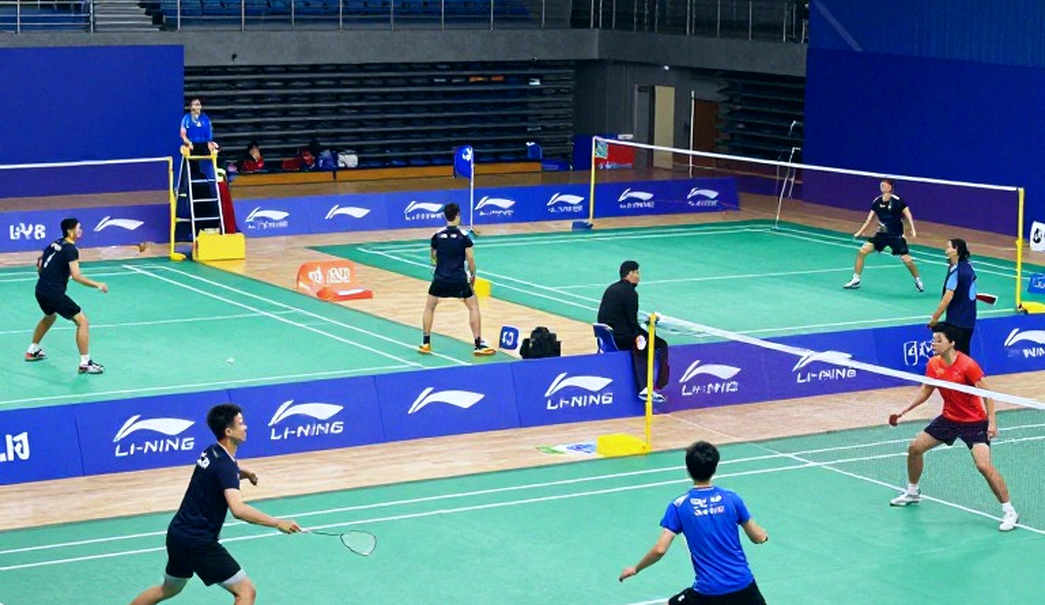
In the final, the second-seeded Indian lost the opening game 11-15 to sixth seed Shaina Manimuthu, then reversed it with 15-10 and 15-12. The title went to Patri. Understanding what that title says about a 17-year-old requires reading it differently.

The 2026 U17 and U15 Badminton Asia Junior Championships is a continental age-group event, sitting outside the BWF World Tour tier ladder and below the BWF World Junior Championships in prestige. It is a development and talent-showcase stop, not an Olympic qualification pathway. The format is single-elimination knockout with seeded byes. As second seed, Patri received a first-round bye and then won four matches against Zhou Jing Li and Lin Heng Men of China, Shizuku Kashio of Japan, and Yu Ying Gui of China in the semi-final. Three of her four opponents were host-nation players competing on home soil in Chengdu. She finished with 10 games won and 3 lost. Derived from the scorelines, her net point swing was +34, with 187 points won and 153 conceded across 13 games.
One detail matters more than the individual crown: the all-Indian final. Manimuthu, the sixth seed, reached the final from the other half of the draw. In 2026, Diksha Sudhakar won the U17 Asian title. India has now retained the continental crown for two consecutive years.
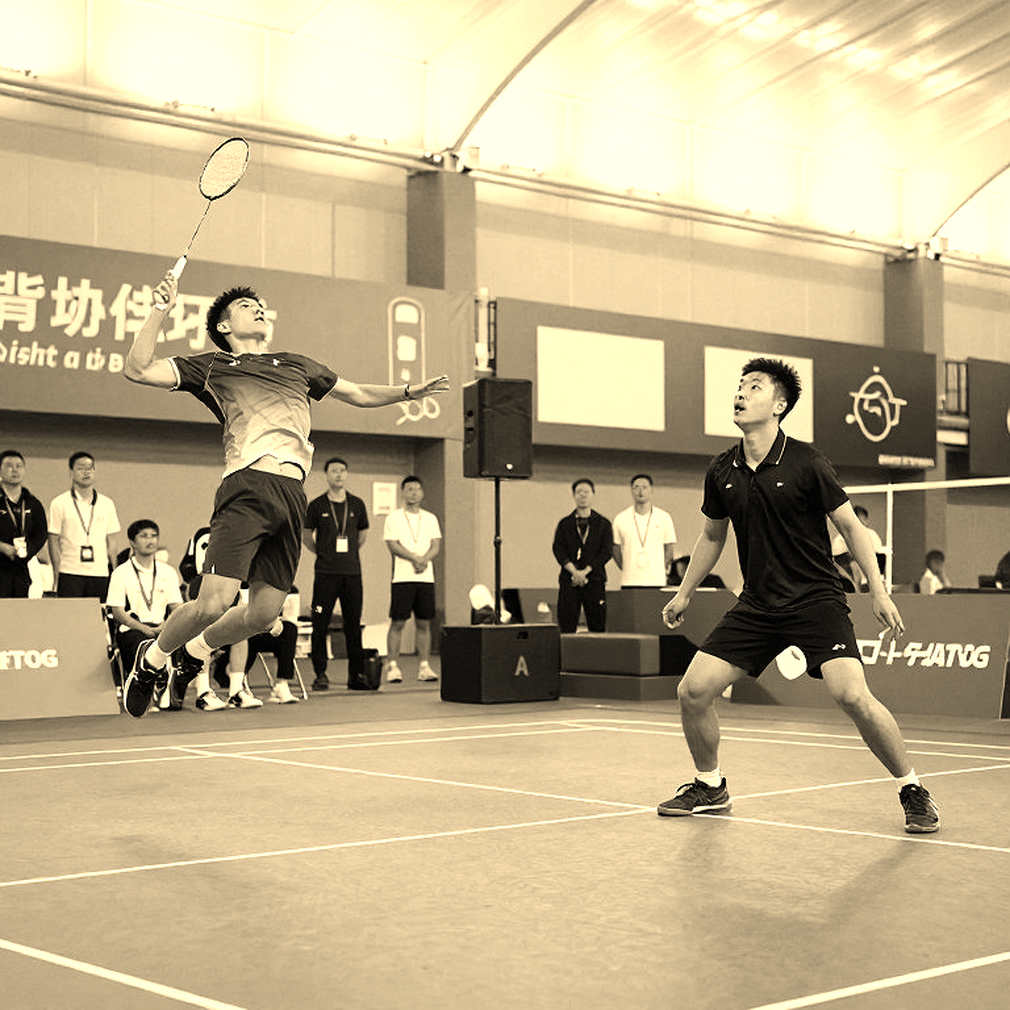
One thing must be stated plainly: no technical description exists in the source material at all. No height, no movement pattern, no shot selection, no tempo. Every judgement about Patri's style at this point can only be inferred from score structure, and score structure is far weaker evidence than match footage. Even so, it says something.
First, Patri won all three of her matches that went to a deciding game, by margins of two, four and three points respectively. This is a repeatable pattern, not a single lucky escape. In a 15-point format, the third game is usually settled by a two-to-three-point run around 12-12; claiming that run three times in one week is a signal about execution at the moment of maximum pressure. Second, a symmetrical pattern exists: slow starts. In three of her four matches she dropped at least one game, including an 11-15 opening-game loss in the final and a 12-15 loss to Zhou Jing Li. That profile sits closer to a resilient front-runner with unstable warm-ups than to a wire-to-wire winner. Two straight-game wins against Kashio at 15-9, 15-12 and against Lin Heng Men at 15-8, 15-8 show that once she finds rhythm, she closes cleanly. The gap between her ceiling and her floor within the same week remains wide.
Based on my experience tracking junior matches across Southeast Asia, the pattern of losing the opening game and then reversing it appears far more often among players newly entering international competition than among those with dozens of continental-level matches behind them. A warm-up lag and a deliberate first-game feel-out produce identical scorelines, and from the scores alone the two cannot be separated.
The most important methodological point: the 15-point format sharply discounts the analytical read-across from this title to elite badminton. In a race to 15, the first three shots and the opening five points carry disproportionate weight; the rally construction and endurance that define the senior 21-point game are compressed. Any inference of senior readiness drawn from here must be heavily discounted.
The source itself also requires comment. All the figures above come from a short results brief with no author, no direct quotes, and no reference to BWF or Badminton Asia. They need cross-checking against the confederation's official records before becoming reference data. Cracks in the data are the only place where the future agrees to tell the truth; and in Patri's file, the crack is larger than the trunk.
The framing of immense mental strength that the original brief attaches to Patri is an editorial inference from a single scoreline, not a measured psychological trait. Sports journalism routinely applies that label to any three-game win. The more substantive issue: a continental U17 title generates no senior BWF ranking points, so there is nothing to defend and nothing from which to infer absolute level. Seeding in age-group events is assigned largely on regional results and national association nomination, which makes it a weak proxy. The profile of second seed, first-round bye, three deciding games describes a player in the strongest four of her half of the draw, not a runaway talent.
So where is the real signal? In the all-Indian final. Golden generations are not born from favouritism, but from children forced to grow up on their own. Two Indians, the second and sixth seeds, winning separate halves of the draw in Chengdu shows the country is producing two or more internationally competitive entries per birth year in girls' singles, and holding the continental title two years running. The lesson lies in system depth, not in the individual. Caution is also warranted against mechanical international comparisons: a U17 Asian title and a Super 300 title do not sit on the same scale of evidence. The framing of adding yet another title this year risks conflating two categories of achievement, while the source supplies no tier information for her other titles.
The single most predictive indicator for Tanvi Patri is not in Chengdu. It is her entry list at senior International Series and International Challenge level over the next 12 to 18 months. Junior continental champions typically stall not because they lack talent, but because they are not pushed onto the big stage at the right moment. Every academy is a geological layer. Whoever digs must know which layer hides what. In the 2026 Indian layer, the stratum just exposed is an all-domestic final. The layer holding the answer about Patri has not been excavated yet.